
What Christmas Kept

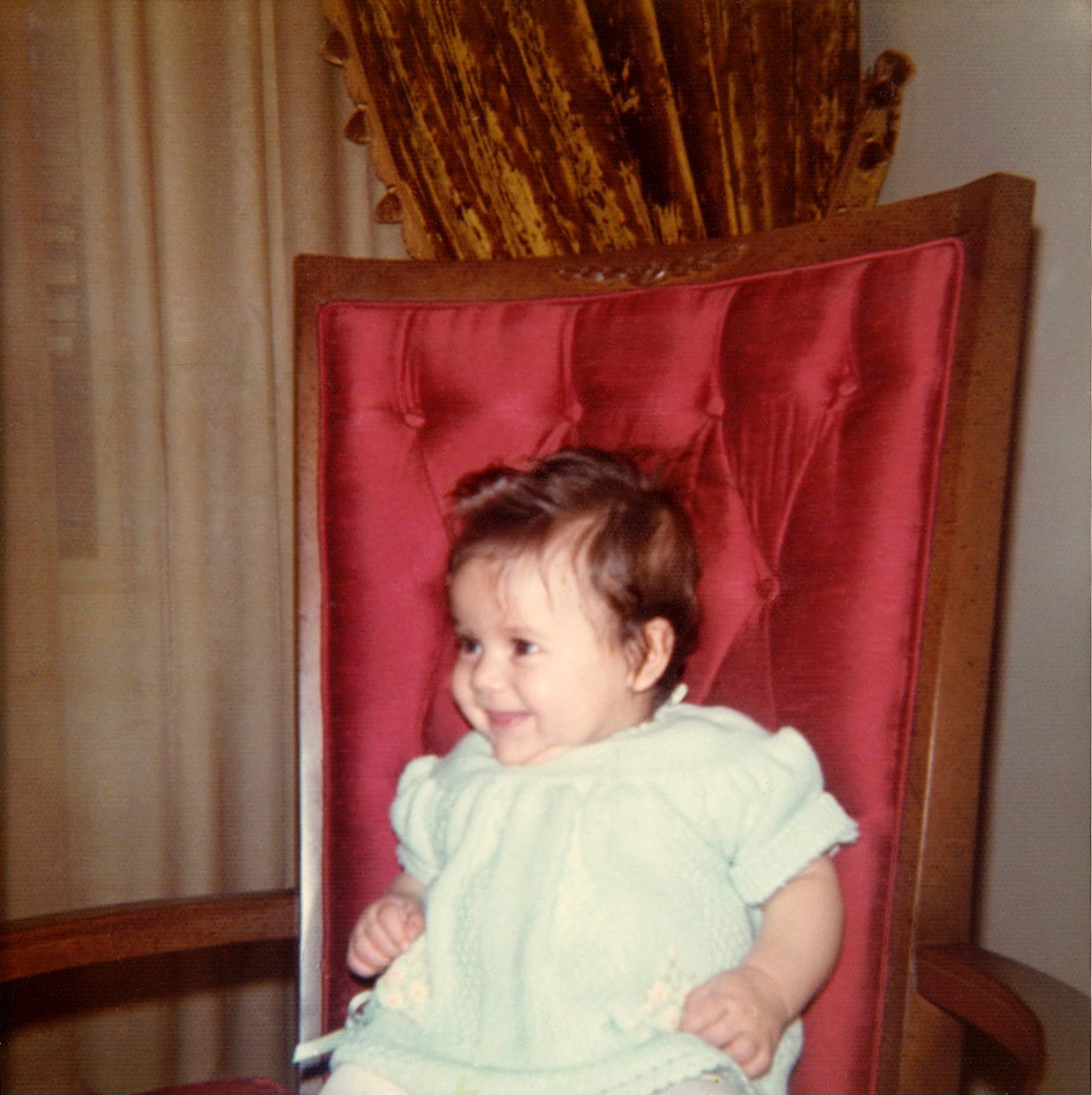
In December of 1982, on a Staten Island block where thirty-two kids under the age of sixteen lived close enough to share bikes, skinned knees, and secrets, time stopped in one small house.
The clock sat on a dark mahogany buffet table beneath a crucifix and a framed black-and-white wedding photograph. Her grandmother wore a veil she had sewn herself; her grandfather looked startled by happiness. The clock was a mantel clock, meant to survive generations.
That morning, it stopped at 11:47.
Her grandmother noticed immediately. She always did. An immigrant from Italy, she ran her own business out of the dining room, which doubled as the kitchen, making pillbox hats for women with opinions. She believed in work that lasted and in paying attention.
“Huh,” she said, smoothing her blue and green flowered house dress.
The girl was ten. Ten was old enough to feel when something mattered, even if she didn’t yet know why. Like that one time she was at her friend’s house and the mom was mad and nothing happened. At all. No yelling, no explanation, just an eerie stillness that spread through the rooms.
Her grandmother’s house always felt safe and the living room always felt occupied. Two red velvet armchairs faced inward with yellow velvet drapes that framed the room. Porcelain figurines—women and biblical figures frozen mid-gesture—lined the shelves, witnesses to the room. A crystal candlestick holder caught whatever light passed through, making a prism, insisting on beauty even in broad daylight.
On the television, I Love Lucy played, the laugh track just a beat behind the jokes, the volume just a little too high. The TV itself was heavy, curved, and wooden, with knobs you had to turn deliberately, like you were committing to sitting through whatever was on.
The kitchen linoleum was cool beneath bare feet and always a little sticky. The mustard-yellow refrigerator hummed steadily, family jewels and a little cash hidden in tin foil in the freezer beside the ground beef.
They baked Italian cookies all through December. Anise and brown sugar lingered in the air long after the trays were baked. Walnuts clung to fingers and sleeves. Jam-filled cookies, painted with egg wash, dripped onto the floor, which might explain the floor’s stickiness. The girl rolled the dough. Her grandmother handled the oven. That was a strict rule.
The Christmas tree went up early that year. It was fake and stubborn, shedding silver tinsel that tangled in hair and sweaters. The ornaments were glass and temperamental, the kind that shattered if you even looked too hard at them. Each one was lifted carefully and placed with mindfulness on the tree. When they plugged in the lights, only some of them worked. This was considered festive.
The room adjusted to this time of year. The clock did not.
11:47.
The girl asked if it was broken. Her grandmother smiled, not at the girl, but at the clock. “No,” she said. “It’s remembering.”
Christmas was on its way anyway.
The street filled with children sledding between houses, coats flapping open, names being called and answered. And very competitive snowball fights that always ended with Jimmy from across the street in tears. Inside, her grandmother moved with certainty, trays of cookies lining every surface, pins, clear fabric glue, and scissors resting exactly where her hands expected them to be.
On Christmas Eve, she sat the girl at the kitchen table and put a pillbox hat on her head. It had a draped piece of soft netting that fell over her right eye.
“Not for a wedding. For mystique. A veil teaches patience.”
The girl sat very still.
Later, when the neighborhood finally quieted and the fake tree glowed unevenly in the corner, she asked again about the clock. Her grandmother looked at it the way she looked at the tomatoes growing in the back; patient and certain, as if waiting was part of the point.
“Some moments,” she said, “don’t move forward. They stay.”
The clock never started again. Years passed. The girl grew up. The house emptied. The red velvet chairs disappeared. The porcelain figures were wrapped, then unwrapped, then lost. The clock remained, hands fixed at 11:47.
Now, the girl has children of her own. They never met their great-grandmother, but they know she made hats. They know she baked cookies every December. They know the pastina their mother makes them was her recipe. They know about the clock that stopped and refused to move again. Because their mother tells them stories.
Legacy is love stopped.
And somewhere, in a living room that exists now only in memory, time is still holding.
11:47.
How beautiful, touching, and warm story ❤️
You carry these memories in your heart with reverence and love. It is either in the blood or it is not. It cannot be taught.
You are very lucky to have been born into such a family. You are lucky to have grown up with people who showed you how big and beautiful your heart can be and how it can find beauty and wonder in everything. That is exactly who you have become. It all started with these stories, your childhood, and everyone who was there for you, showing you the extraordinary and amazing nature of this world, even in the little things.
Your reverence for the past, details, and stories is admirable and ensures that your family will live on. ❤️🙏🏻
I feel the same way when I open the chest that I packed after my grandmother passed away. It's filled with her belongings that she once told me about and I realize that memories are immortal. They are not subject even to time.
Thank you for sharing this story.
Merry Christmas!🎁🎄
This story is really good and emotional. The clock stopping shows how love and memories don’t go away. The grandmother feels real because of the little things she does. The ending shows that love stays, even after time passes. It even felt like that when I was a kid. That’s a very cute pic of you my love.